RE/MAX PARRY SOUND MUSKOKA REALTY LTD., BROKERAGE*


RE/MAX PARRY SOUND MUSKOKA REALTY LTD., BROKERAGE*


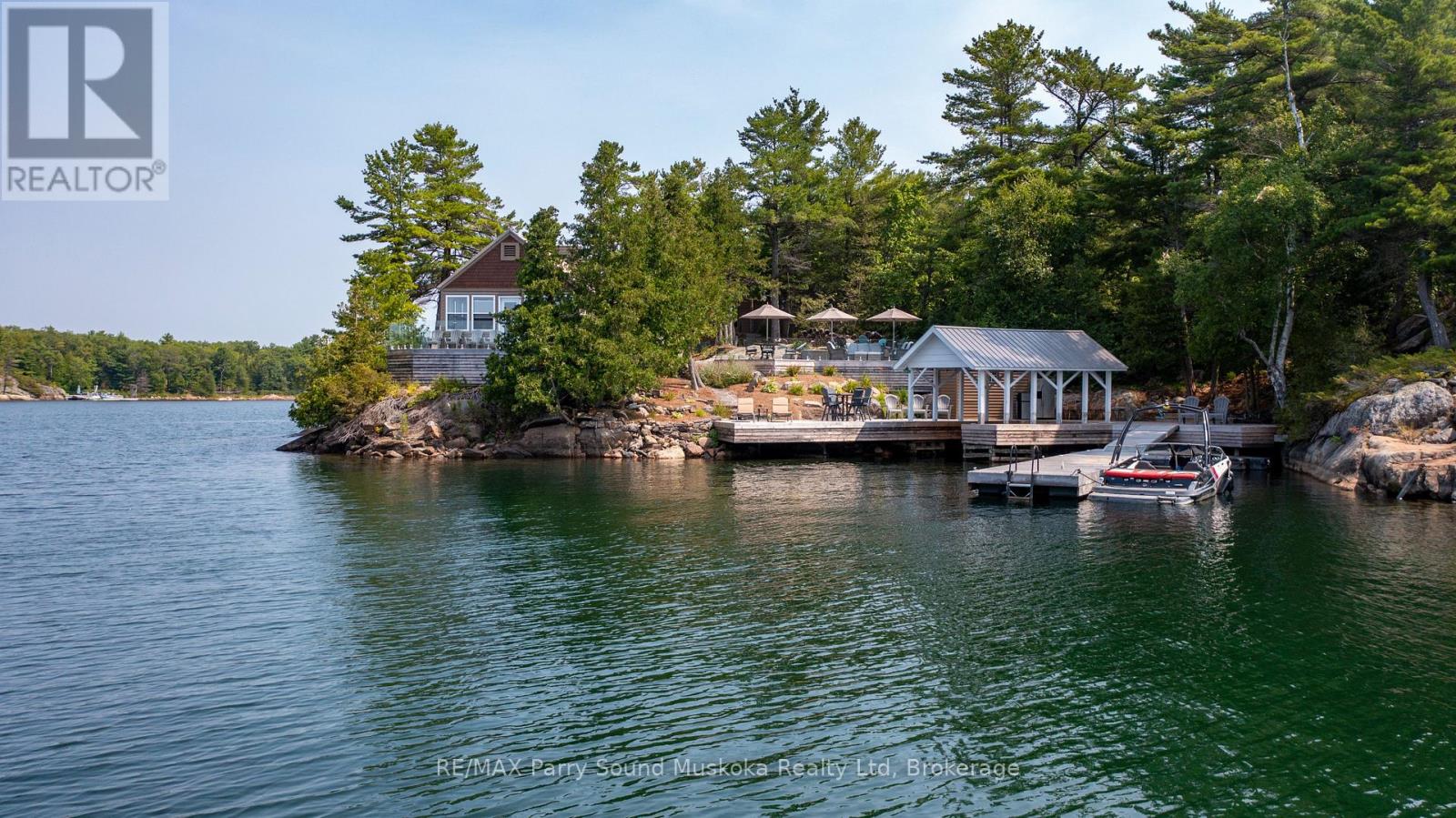

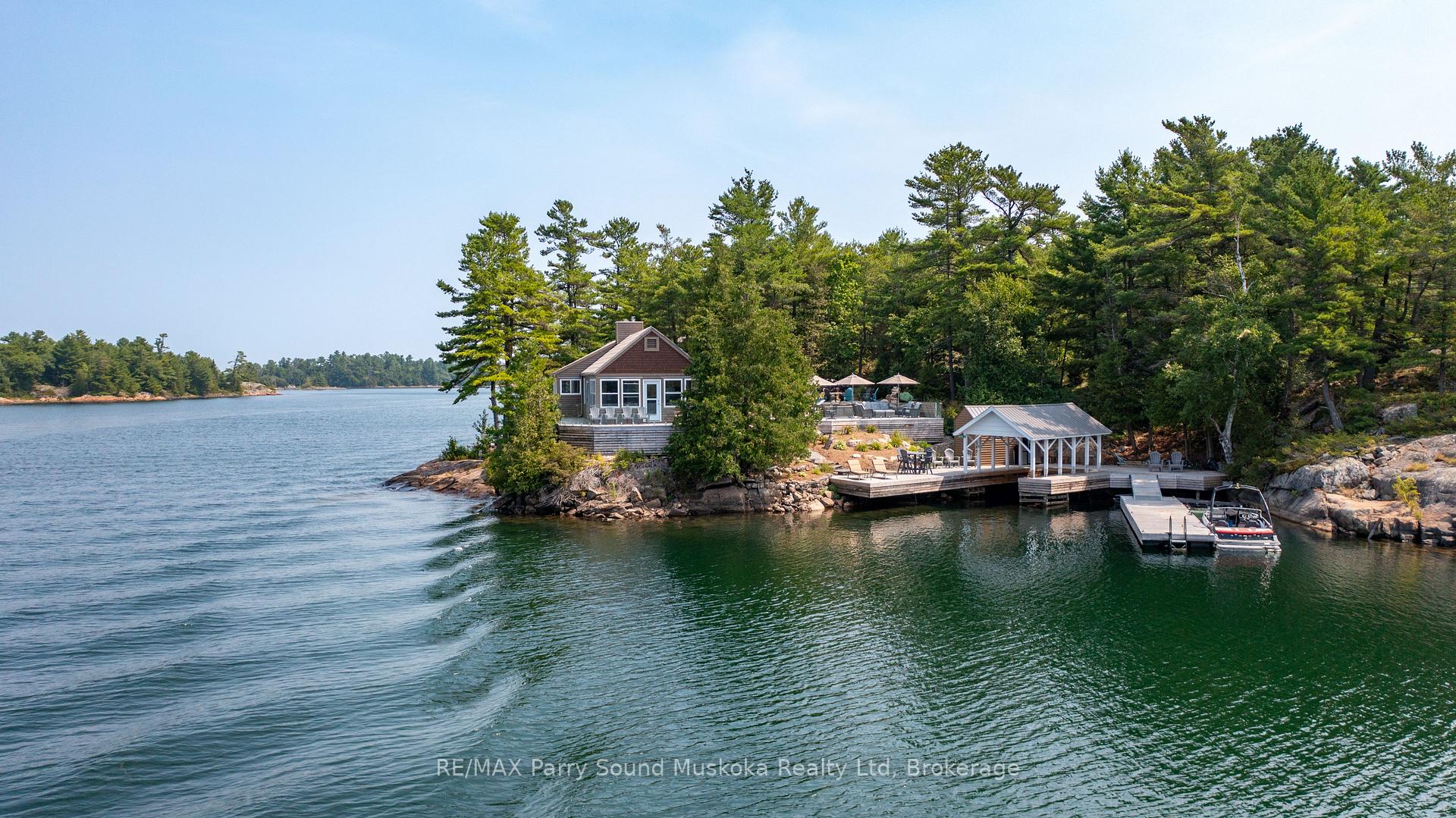
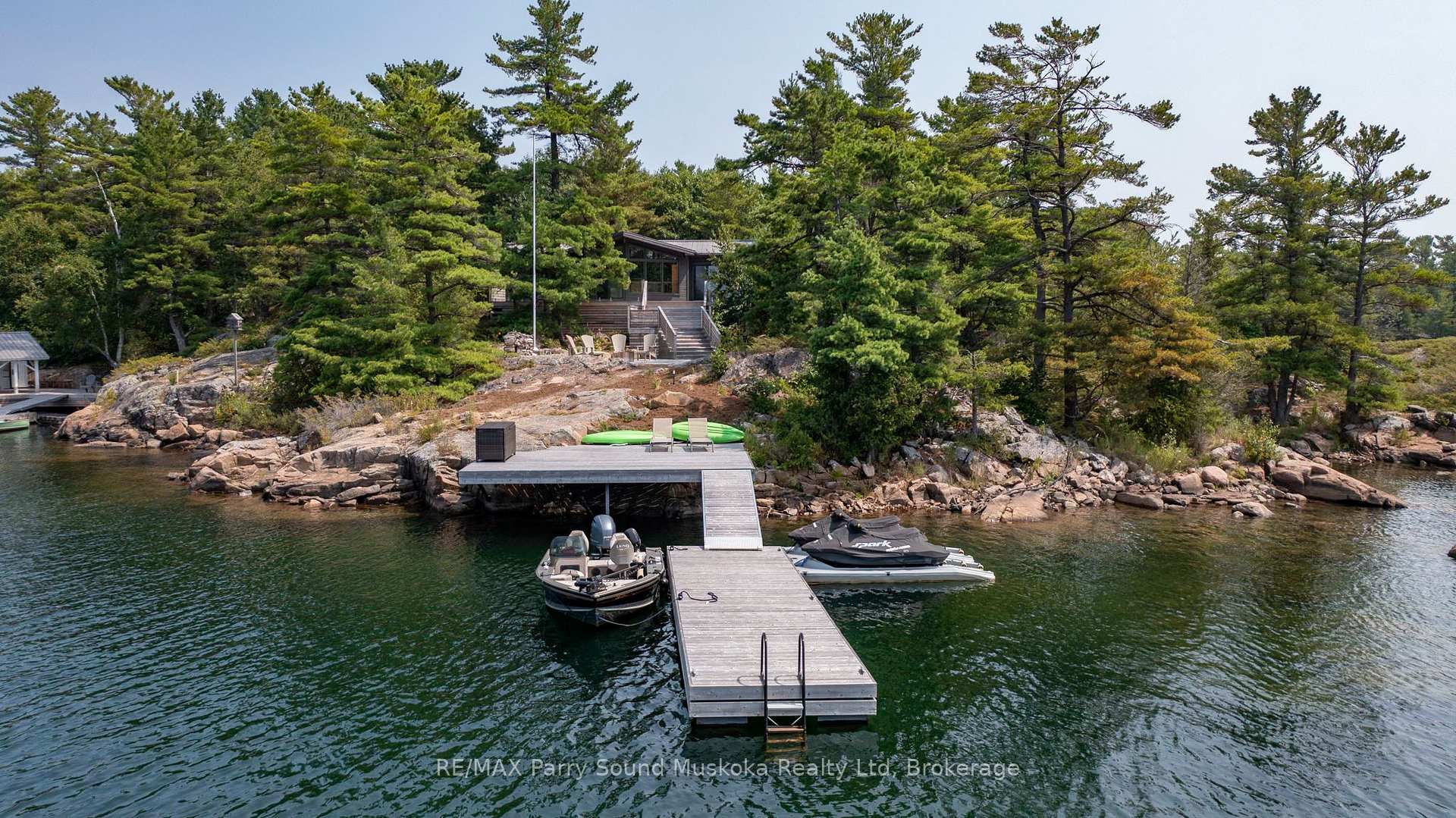
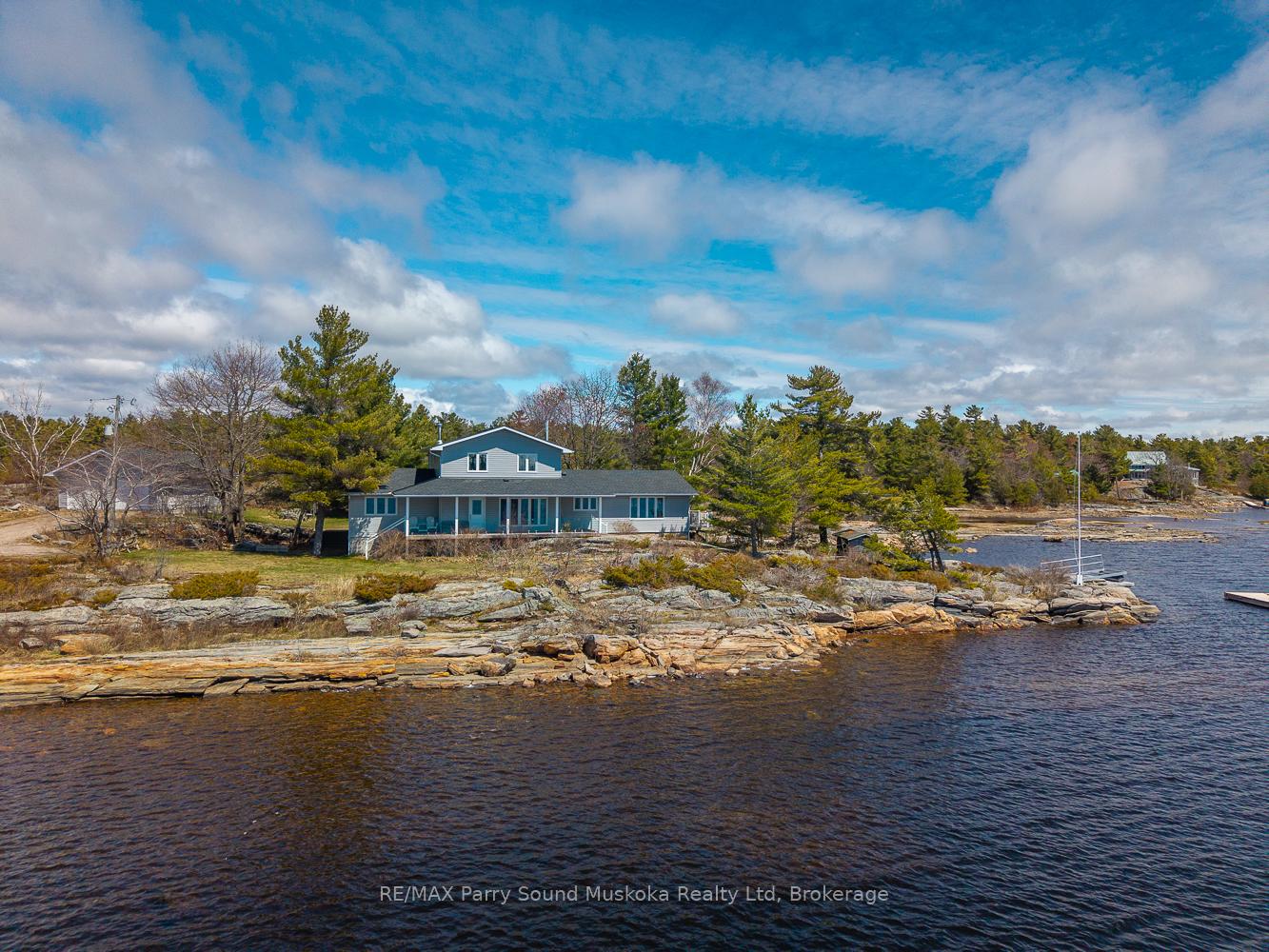
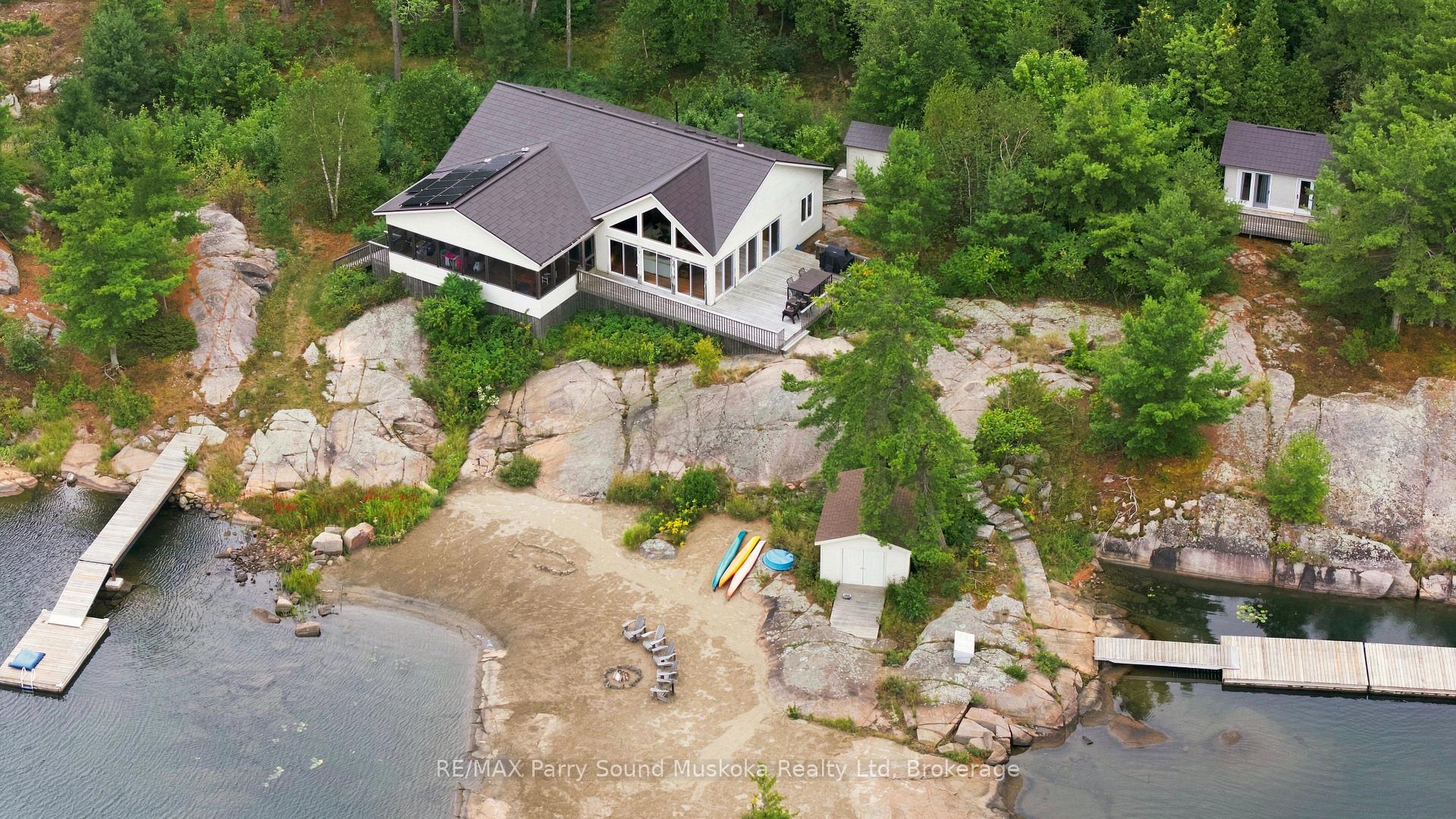

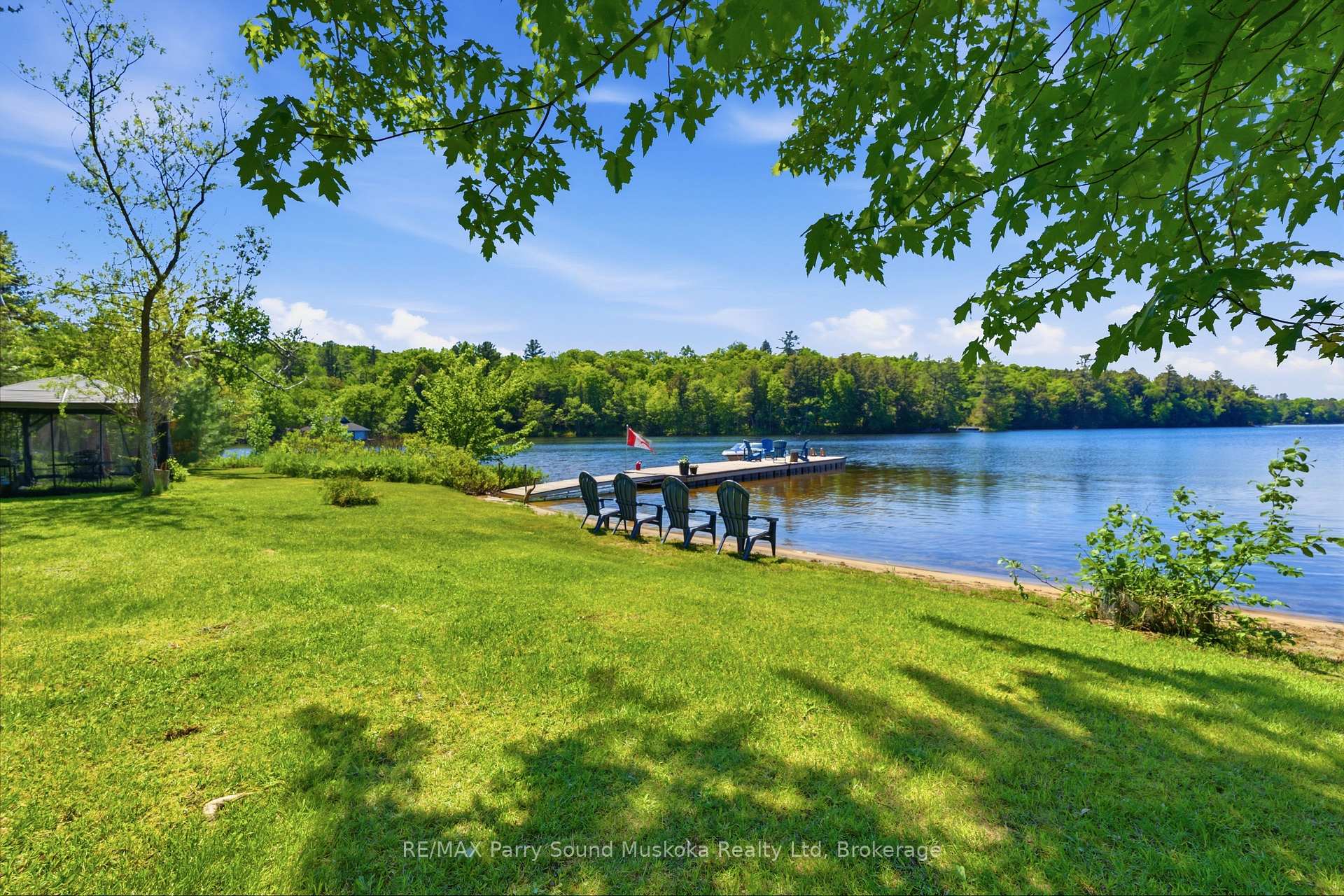
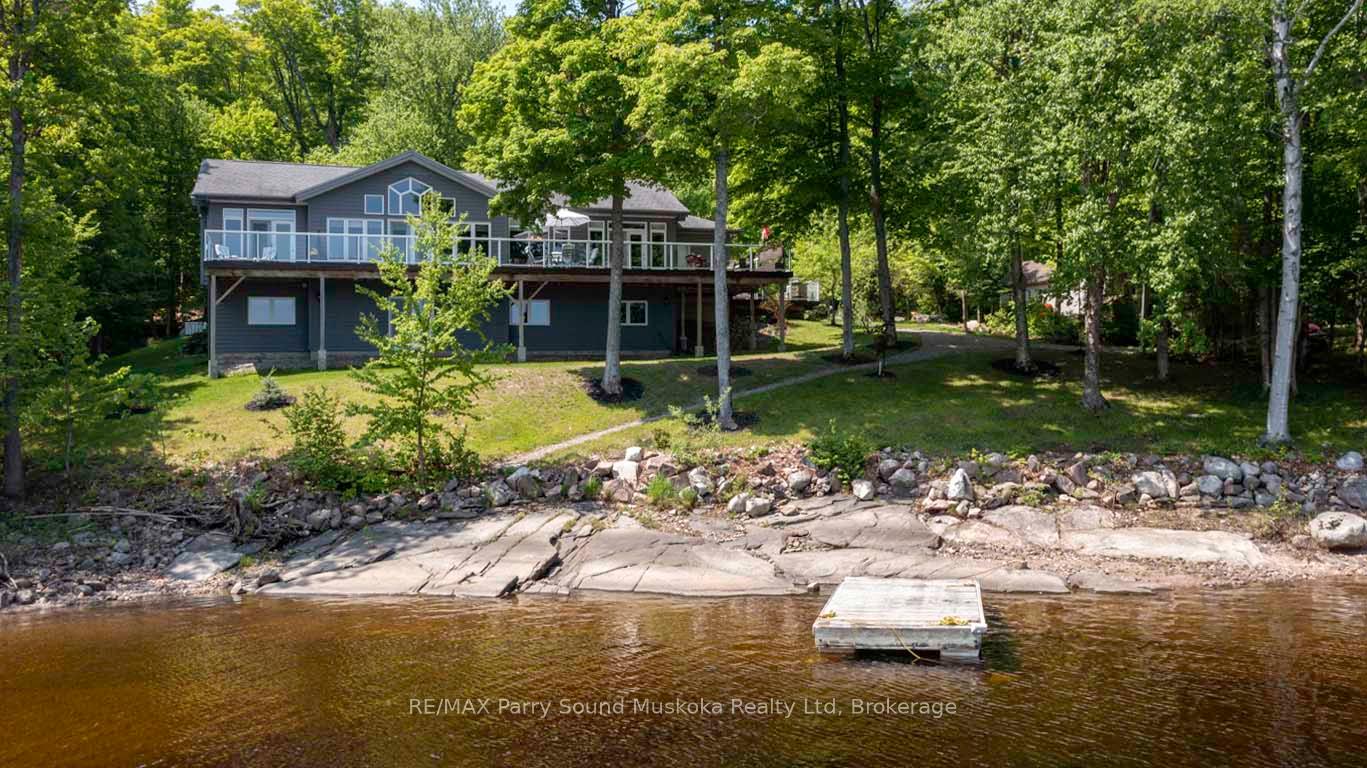
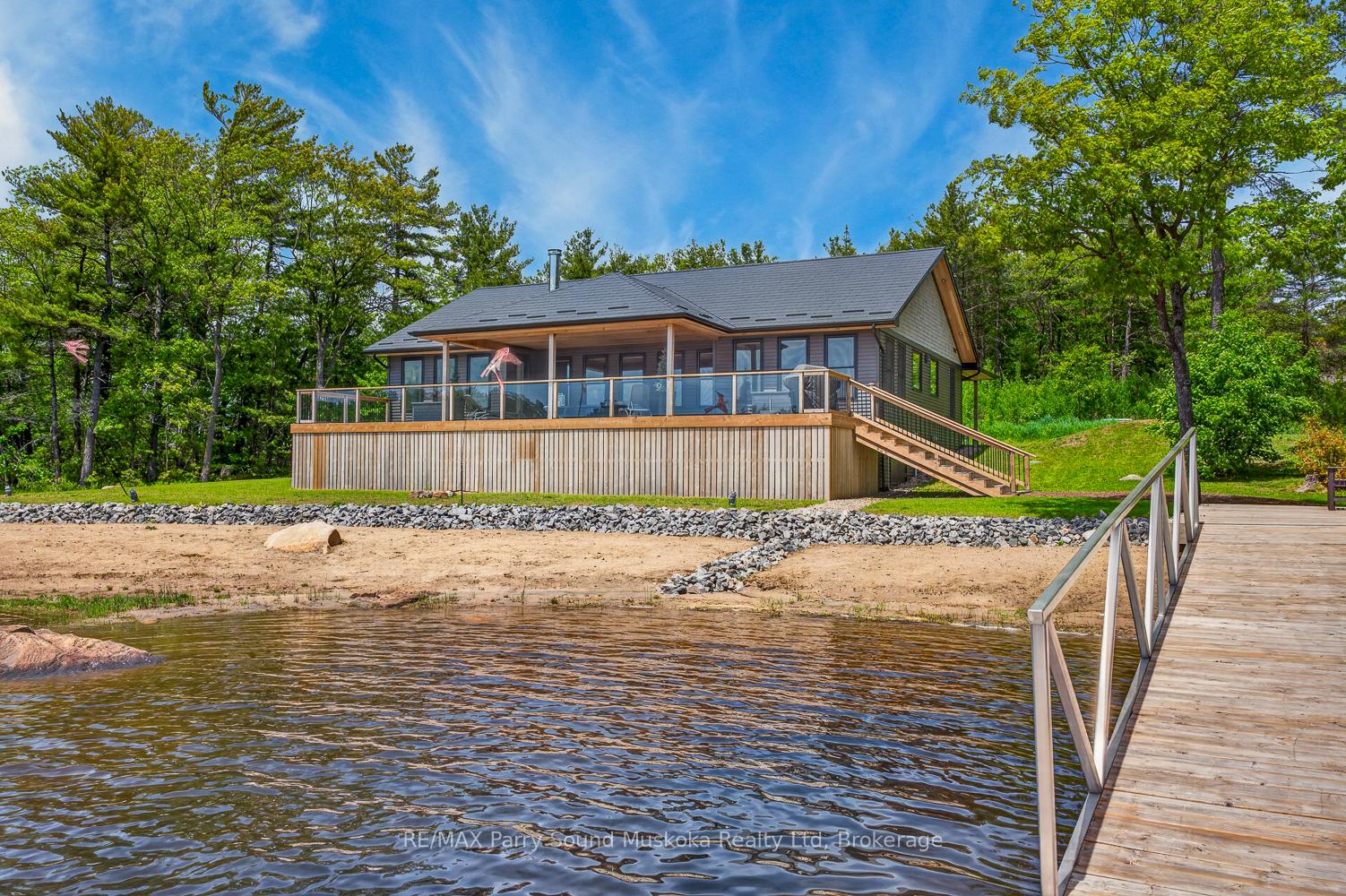



The Boathouse: a place associated with fond memories of sunny summer days, the excitement of an impending water sport as you prepare to launch the boat from its slip, or a place to lounge on the deck and enjoy the view.
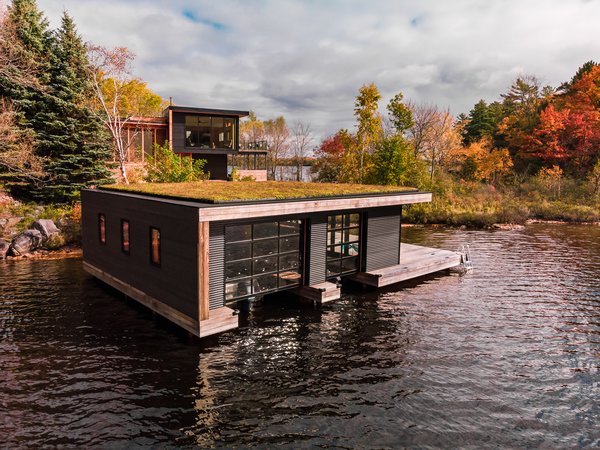 No matter its use, the boathouse is a great place. If you do not have one, you want one. If you have one, maybe you are dreaming of building a bigger one. If you are thinking of building or changing the footprint of your boathouse, you will need the approval from both the local municipality andthe Ministry of Natural Resources. You can thank a recent Ontario Superior Court of Justice for the change in the approval process.
In Glaspell v Ontario (the ‘Boathouse Decision’) the story goes something like this: the Complainant owned a waterfront property and their neighbours (the ‘Boathouse Builders’) owned an abutting waterfront property. The Boathouse Builders built a fabulous 1,000 square foot floating dock, attached by way of a thick steel cable running from the dock to the shore in front of the Boathouse Builder’s property. Technically, the boathouse was a floating structure, unanchored to the bed of the lake.
While it was located in front of the Boathouse Builders’ property, and it no doubt provided hours of amusement for its owners, it interfered with the view of the Complainant and the other residents of the lake. And, as many such scenarios in cottage country go, an argument and then eventual litigation ensued. The main question: how did this building ever get approved by the municipality?
As it turns out, the Boathouse Builders had contacted the Township’s Building Department and the MNR prior to constructing the boathouse. After these contacts, a game of hot potato followed! Due to its floating nature, the Township determined that this structure was the MNR’s responsibility. Interestingly, the MNR took the position that boathouse regulation was the Township’s domain. In short, both the boathouse and its dock were built without permits from the Township or the MNR despite both entities being contacted by the builder/land owner.
It was only after the boathouse was built, the neighbours not so quietly launched a dispute on this little lake in the Kawarthas. The battleground was staked around an important question: who is responsible for governing the construction and use of docks and boathouses on Ontario’s lakes and rivers?
The Ontario Superior Court of Justice had the final say in this dispute stating that the Boathouse Builders should have obtained an occupancy permit from MNR andshould have complied with municipal building and zoning by-laws for their boathouse and dock. In a well-reasoned decision, the court held that boathouses are properly regulated by both parties, and do not exist in a jurisdictional no-man’s land.
The learning: if you are dreaming up plans for a new or altered boathouse this summer, make sure to run those dreams by your local municipal planning department and the MNR first. Your neighbours may still take issue with your new building. However, if approved you will stand a better chance of winning the argument (legal or otherwise) if the boathouse is constructed with proper permits and approvals. And of course, you could always try to smooth things over with disgruntled neighbours with an invitation to a fun boathouse party!
By Nathalie Tinti, Partner & Lauren Martin, Associate, Barriston LLP
Published in The Phillips Team Cottage Real Estate Magazine, Spring 2016 (pg 4)