RE/MAX PARRY SOUND MUSKOKA REALTY LTD., BROKERAGE*


RE/MAX PARRY SOUND MUSKOKA REALTY LTD., BROKERAGE*





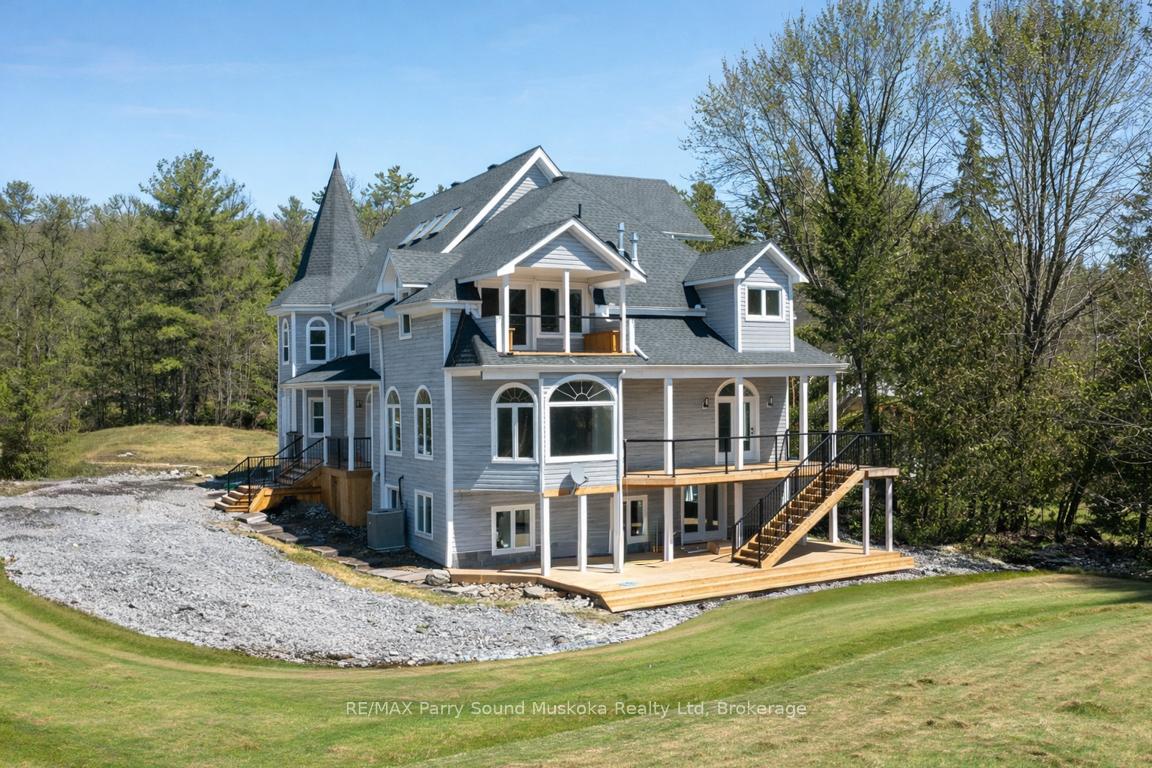





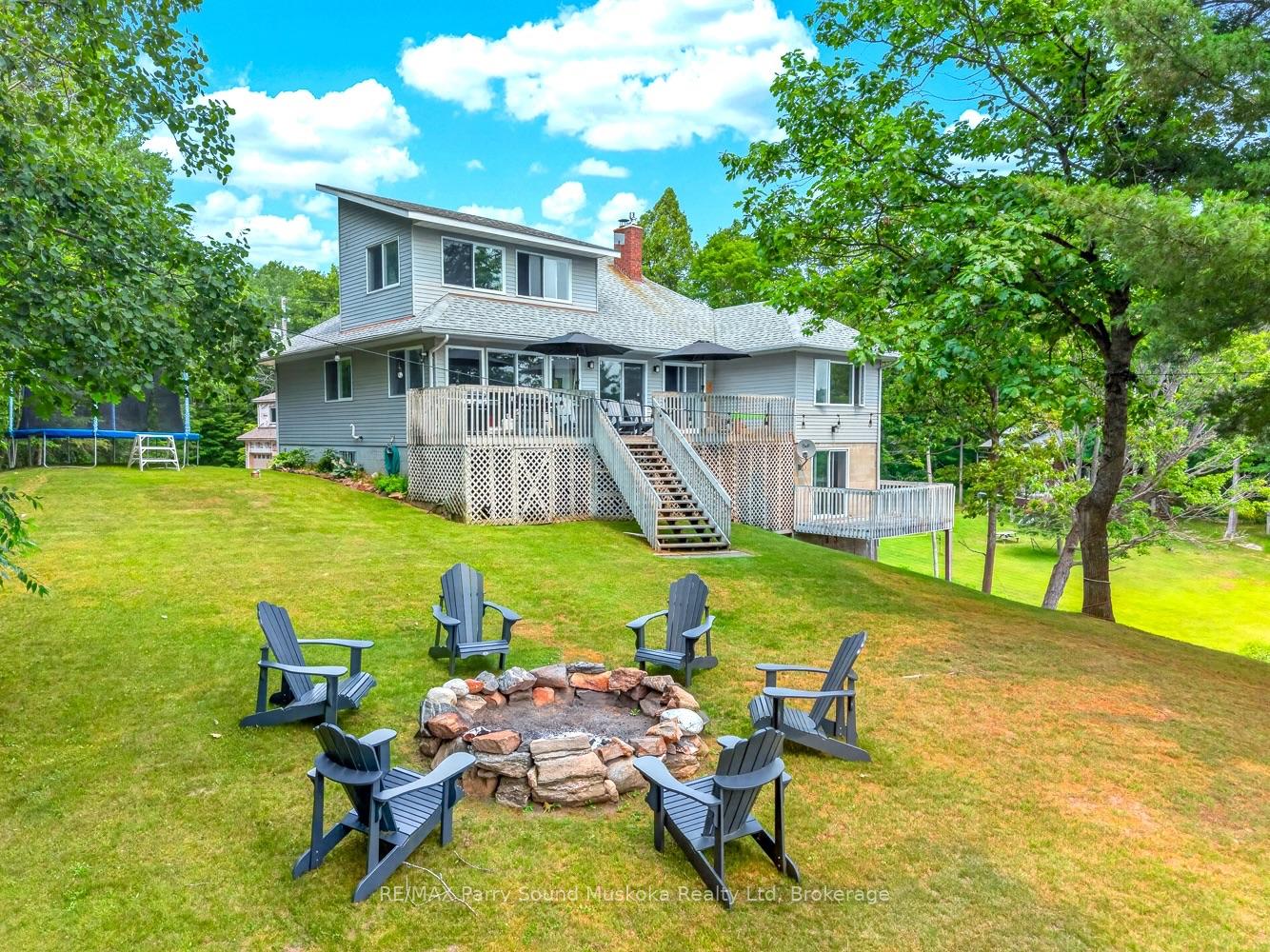
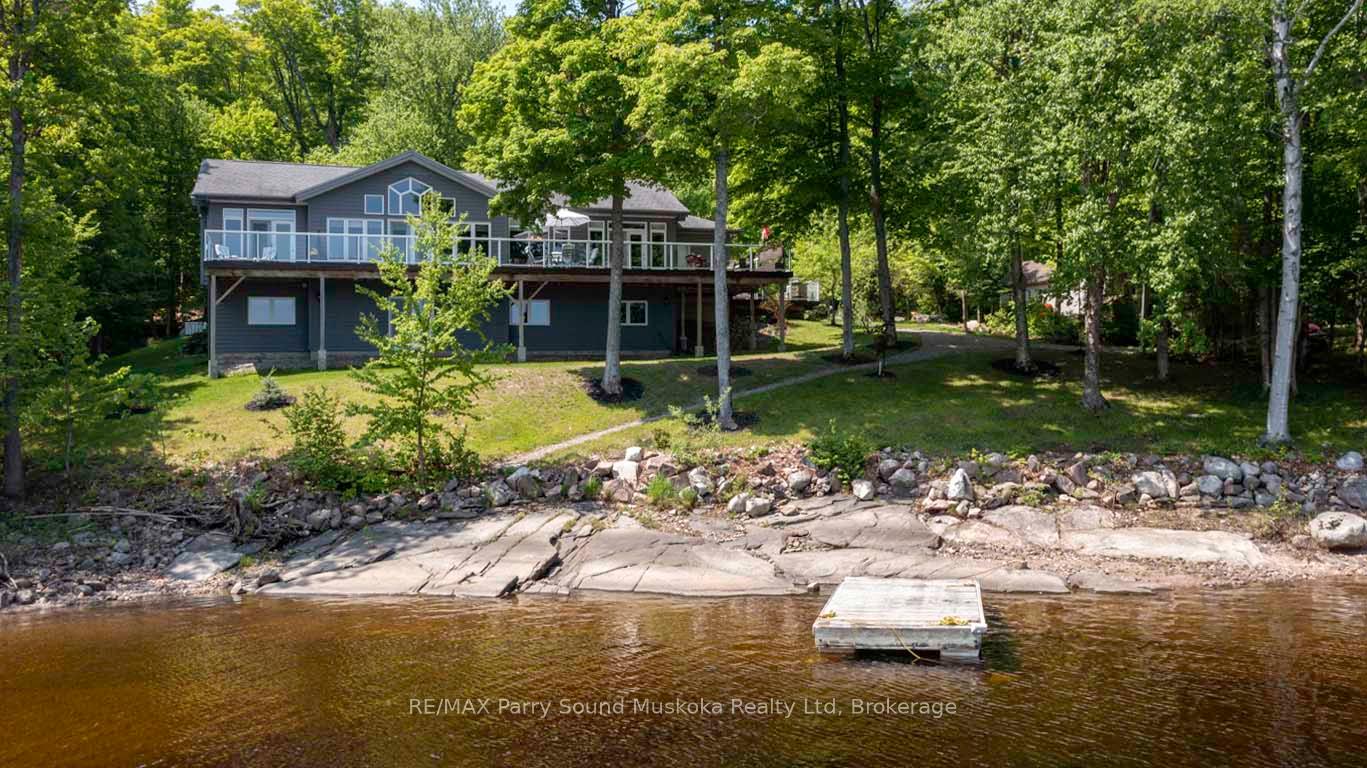
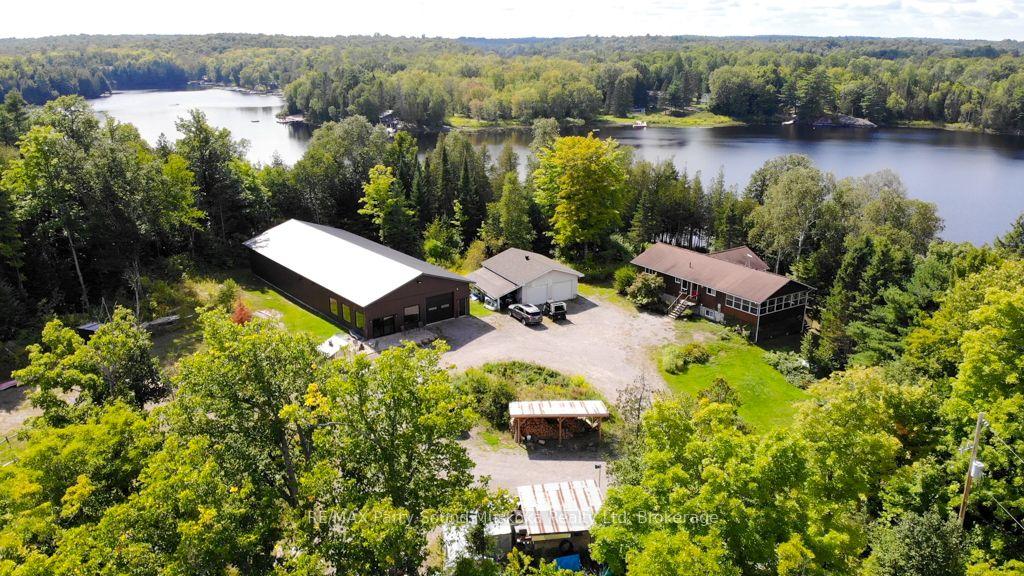
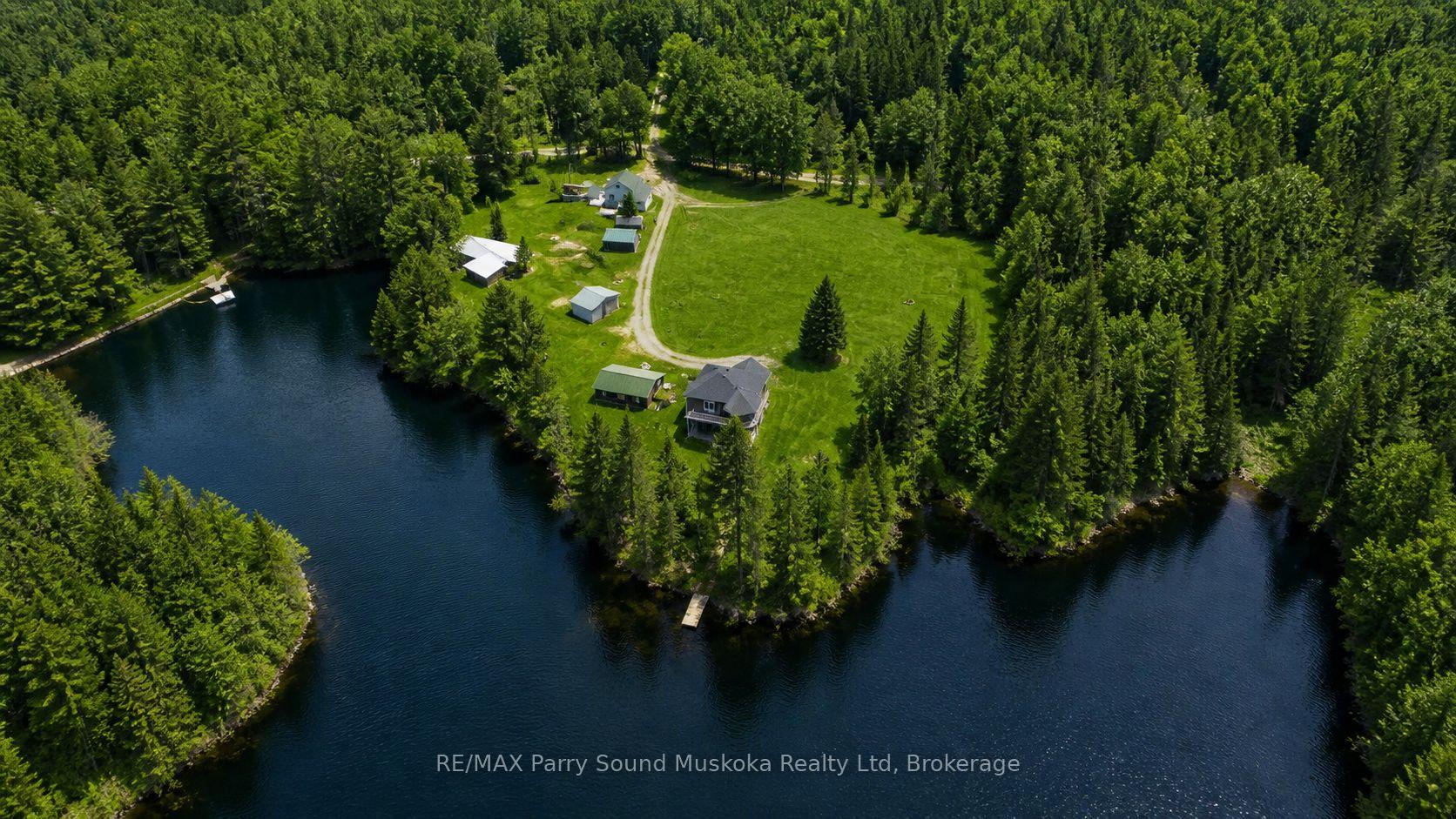






The first step toward putting your home or cottage up for sale is to meet with your REALTOR® at your home or cottage. This meeting is referred to as the "listing appointment". Beforehand, it's also important to understand “who's who" and how brokers may co-operate to sell your home.
Listing Broker
An individual real estate broker whom the seller hires to represent themselves through a contract called a "listing agreement". The listing Sales Representative is associated with the listing broker. The listing broker is directly paid the listing commission and then splits the commission with the listing Sales Representative.
An individual who produces a buyer for the property and divides the commission with a listing broker. Such a transaction is considered a "co-operative" sale because the house is listed by one broker and a buyer is provided by a second broker. If the listing broker also produces the buyer, then the listing broker receives both listing and selling sides of the commission.
Before the listing appointment, both the home/cottage seller and the listing Sales Representative have some homework to do. While the home/cottage seller collects a list of documents requested by the Sales Representative, the listing Sales Representative studies recent area sales of homes or cottages comparable to the seller's, and also comparable homes or cottages currently for sale.
At the listing appointment, the listing Sales Representative will want to inspect the entire home or cottage, and property to become familiar with its special features and exact floor plan. You have probably enjoyed living in your home or being at your cottage and have been pleased with its many unique features. Your listing Sales Representative will want to tell prospective buyers about the special features of your home or cottage, and community. Be ready to be specific about amenities, schools, churches, daycare, and other desirable community features, as well as home or cottage features not readily apparent.
Remember, prospective buyers will be "comparison shopping" and keenly aware of subtle differences in homes or cottages for sale in the area. Be sure to tell your listing Sales Representative why yours is special (e.g. home remodeling, cottag updating, special property or lake features).
To enable the listing Sales Representative to prepare a ‘Highlight Sheet’ on the property, the home/cottage seller needs to provide a number of documents and information specific to the location and jurisdiction. This ‘Highlight Sheet’ is often left in the home or cottage for the convenience of prospective selling Sales Representatives. Because the list is long, you can understand why it's best to collect the papers before the listing appointment. These materials may include:
A letter signed by the home seller and mailed to the lender by the listing broker to notify the lender of the intention to pay off the mortgage in order to minimize prepayment of interest penalties to the seller. (Home seller should provide the broker with the lender's address, loan balance, assumability, years remaining on present mortgage, PITI. and the interest rate, if possible.)
If the property is on septic, the septic documents will need to be available. These can be obtained if they are not in the seller's possession. Potable water is important in cottage country and will need to be addressed during the selling process. Should there be a well on the property, the listing Sales Representative may wish to arrange for inspection after the contract is approved.
Lenders usually require an appraisal to assure that the property is adequate collateral for a loan. Appraisal may be ordered before (paid by seller), but is more often done after an "offer to purchase” is accepted (paid by buyer).
The listing Sales Representative will ask the home/cottage seller if any tax assessments or easements exist on the property that must be paid or included in the purchase contract and passed on with the land when sold.
The home/cottage seller provides a record of property tax or condominium fee payments which the buyer will reimburse on a prorate share to home seller at settlement.
Many lenders of new mortgages may require a home/cottage inspection and report, that shows the house or cottage is free of major defects. Additional inspections (eg. wood burning appliances), will also need to be discussed with the listing Sales Representative.
The home/cottage seller should also provide a record of the past 12 months’ utility bills, including gas, electric, sewer, water, and trash where applicable. Most buyers will want to know the history of utility costs.
If possible, the home/cottage seller should provide the listing Sales Representative with the deed, house location survey, condominium bylaws or home owners association documents, subdivision map, house floor plan, previous title search abstracts, legal description of property (subdivision, section and lot), warranties on major systems or Home Owners Warranty, if still in effect, and copy of home owners insurance policy for endorsement in purchase contract.
In anticipation of a buyer's offer, the home/cottage seller must be ready to supply the listing Sales Representative with a specific list of the personal property that is included in the real estate property for sale. Examples of items to "convey" may include: draperies, drapery rods, remaining heating oil, firewood, washer, dryer, refrigerator, stove, microwave, disposal, swimming pool chemicals, awnings, storm doors and windows, screens, blinds, shutters, window air conditioner, etc. Home/cottage seller should tag or remove items which do not convey.
When the home/cottage seller is ready to put the home/cottage on the market, the listing agreement is filled out indicating a specific period of time the agreement is in effect ("listing period"), and signed by the seller. You've now hired a listing broker.
Preparing a Comparative Market Analysis (CMA) is an important tool Sales Representatives use to help you earn the highest possible price for your home or cottage. A CMA involves looking at the public records of real estate business in your community to better understand market conditions.
There are four steps your Sales Representative will take in preparing your home/cottage’s CMA: